Demo Speech - August 8th
Good afternoon ladies and gentlemen and thank you for coming and standing here today in solidarity with Palestinians.
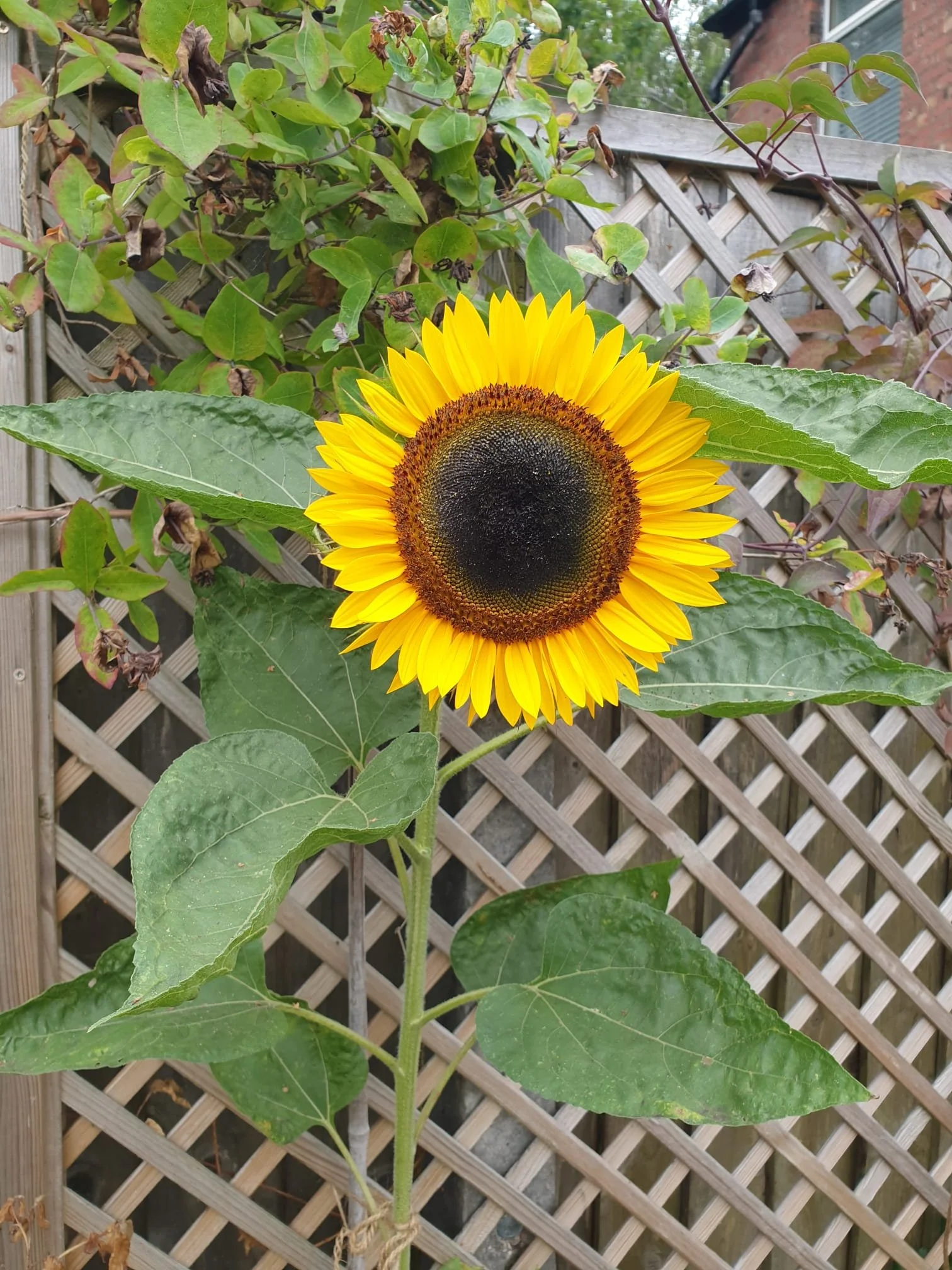
It is sunflower season.
Many of us will have seen these fantastic flowers standing tall in our gardens, their faces turning towards the sun.
In Jenin, in the northern West Bank, they once grew sunflowers too. In Gaza, there were fields of flowers stretching towards the light.
Today, many of those fields lie beneath rubble.
For nearly three years we have watched scenes of unimaginable destruction. We have heard the statistics: homes destroyed, hospitals attacked, children killed. But behind every statistic is a family, a name, a story.
Only this week, two families were finally able to bury 112 relatives whose bodies had remained beneath the rubble since 2023.
These stories are almost too painful to bear.
Many of us feel weary. We wonder whether our voices make any difference. Some even worry that speaking out against what many international organisations and experts have described as genocide may bring criticism or consequences. We know friends who are facing court proceedings for demonstrating their opposition to genocide.
But the Palestinian people have not given up.
And neither must we.
In Palestinian culture, the sunflower represents resilience, a deep connection to the land, and hope. It reflects the Arabic idea of sumud—steadfastness: the determination to remain rooted and to endure.
I speak with my friend Mona in Jenin almost every day. Her family, like thousands of others, has been forced from their home and now lives in overcrowded temporary accommodation.
Life is incredibly hard.
Yet life goes on.
Children are born. Families care for one another. People still laugh together. They celebrate weddings and birthdays. They refuse to allow occupation, violence and displacement to define who they are.
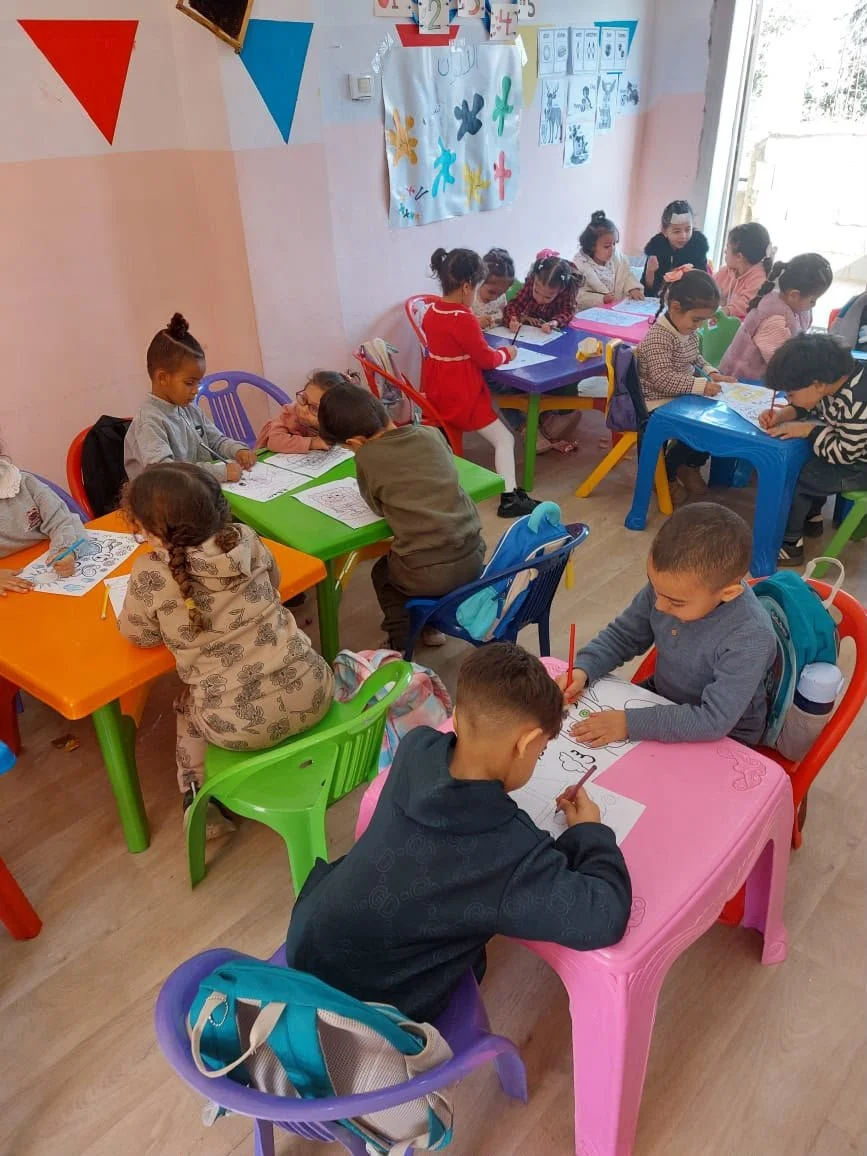
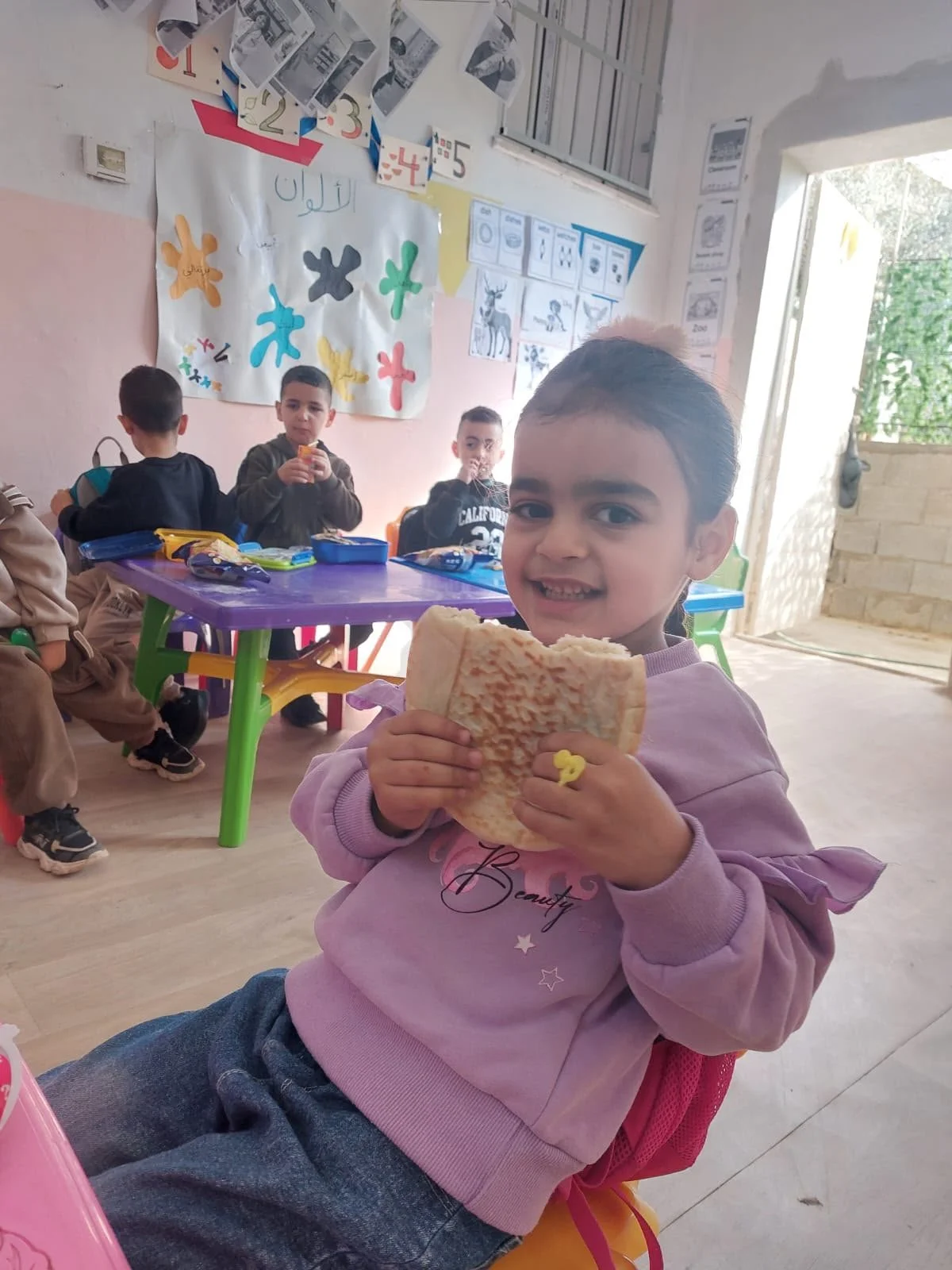
With the help of international donations, children's centres, like Al Tafawk which Mona runs in Jenin, serve the children as best they can.
At Al Tafawk, the children receive food, clean water, medicines when available, time to play, and time to learn.
For many of these children, those few hours are the closest they come to a normal childhood.
And still, there is hope.
Just a few weeks ago, around 150 young people from Jenin refugee camp passed the examinations that allow them to apply for university.
These are students who have spent the last eighteen months without proper classrooms, often without textbooks, studying wherever they could after being driven from their homes.
Against every obstacle imaginable, these young people chose learning. They chose hope. They chose a future.
Public celebrations of their success were prohibited by the Israeli military, but families still celebrated quietly.
Because hope cannot be banned.
For all of us, it is a reminder that education, community and hope are themselves acts of resistance.
Like the sunflower, the people of Jenin remain deeply rooted in their land. They continue to turn their faces towards the light, believing that better days will come.
If they have not given up hope, neither should we.
So let us continue to bear witness.
Let us continue to speak out.
Let us continue to stand alongside those calling for justice, dignity and peace. Because silence never protected the oppressed.
And because, in the end, all tyrannies fall.
May justice come soon.
May peace come soon.
And until Palestine is free, may we never look away.
The content of this blog is written by multiple contributors. Any views or opinions expressed in individual posts are solely those of the author and do not necessarily reflect the views, policies, or positions of the group as a whole.